1
Islamic Green Campus: Ethics, Ecology, and Education
Researcher: Syamsun Ni'am, Lailatuzz Zuhriyah, Dwi Astuti Wahyu Nurhayati, Siti Marpuah
At the moment, Environmental issues are not only an ecological discourse, but also theological and moral discourse. In this context, research conducted by Prof. Dr. Syamsun Ni'am, M.Ag. dkk., in the year of 2024, funded through BOPTN UIN Sayyid Ali Rahmatullah Tulungagung fiscal year 2024, titled “Green Campus: Islamic Ecotheology Practices in Indonesian and Malaysian Universities” seeks to reveal in depth the integration of Islamic values in sustainability practices in higher education.
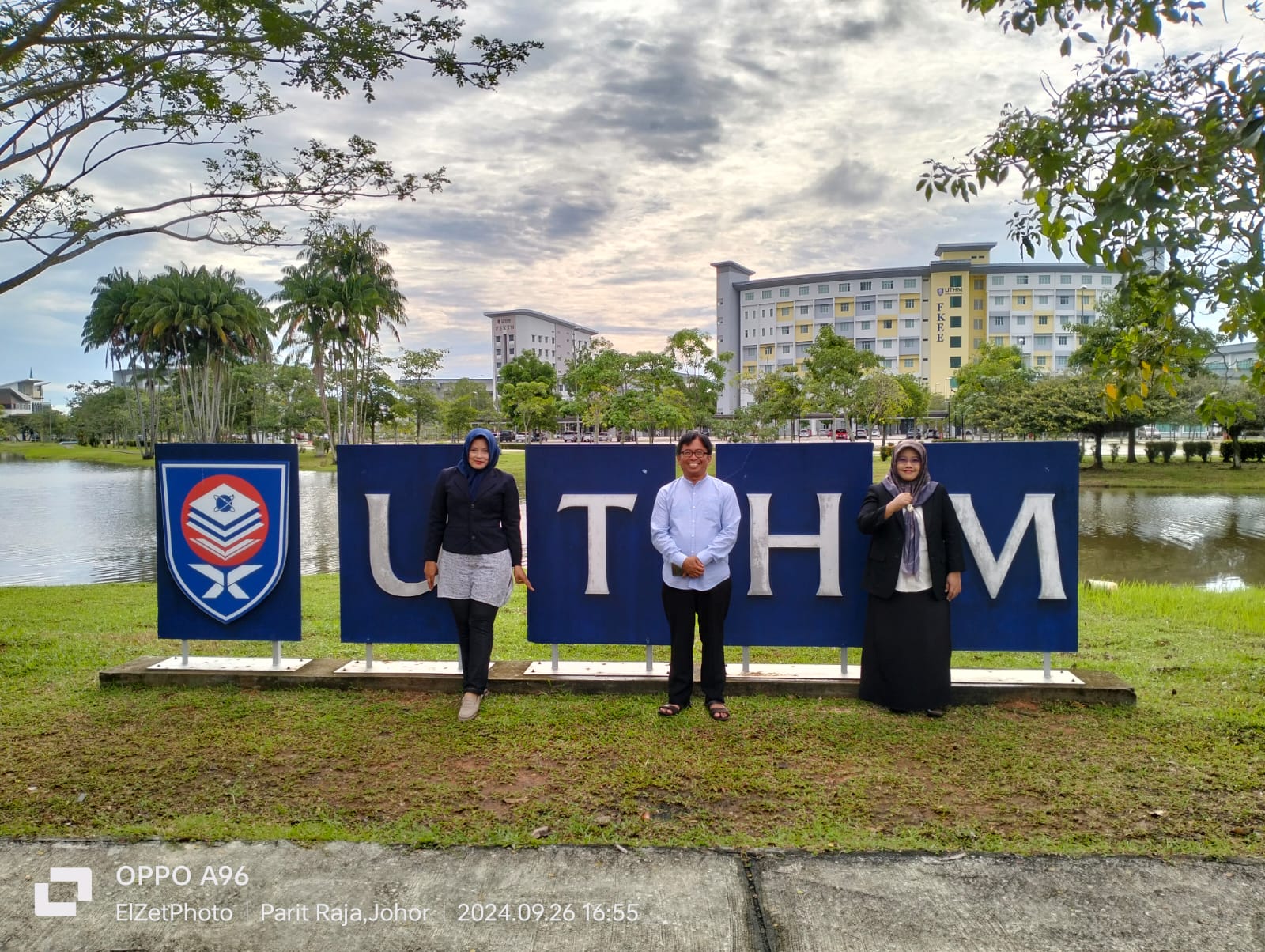
Through a comparative qualitative approach, This research highlights two universities in Southeast Asia, namely UIN Raden Intan Lampung (Indonesia) and Tun Hussein Onn University Malaysia (UTHM). Both place sustainability issues as a strategic priority.
The main findings of this research indicate that Islamic ecotheology, which is the teaching about humans as caliphs of the earth and custodians of the balance of nature, has become a normative basis for formulating policies Green Campus at both institutions.
UIN Raden Intan Lampung for example, not only applying the 6R principles (Rethink, Refuse, Reduce, Reuse, Repair, Recycle), but also integrate 6 these principles into educational programs, such as the Environmental Ambassador and Eco-Campus Award which fosters active participation from all academics.
Meanwhile, UTHM adopts a data-based approach zero carbon emission with a target of zero emissions by year 2050. This effort is supported by the availability of environmentally friendly infrastructure and an efficient energy management system.
One of the important results of this research is that there is a positive correlation between spiritual values in Islam and the ecological behavior of the academic community.. Ecological awareness at the two universities does not only grow from scientific knowledge, but instead it is strengthened by a deep theological understanding, that protecting the environment is part of worship and trustworthy responsibility (trusteeship) to God.
The results of this research show that Islamic ecotheology is not only conceptual, but it has practical and real implications in encouraging a sustainable lifestyle.
Besides that, This research also found that the success of Green Campus implementation was greatly influenced by transformative leadership, integrative curriculum, and a participatory academic culture.
This means that Green Campus is not just the result of administrative policy alone, but the result of a moral ecosystem, social, and spirituality that is built collectively by campus residents.
This research recommends that Islamic campuses in Indonesia start building roadmap ecotheology in policy development and learning activities, including the integration of SDGs in curriculum design, study, and dedication to the community.
This research makes a theoretical contribution to enriching the interdisciplinary literature on Islamic studies, ecology, and higher education. Besides that, practically, the findings of this research are blueprint potential for policy makers, both at government and university levels, in order to develop a value-based sustainability strategy.
The integration model of religion and environment as found in two research loci (UIN Raden Intan Lampung and UTHM Malaysia), should be a reference in the future development of the Islamic higher education system, namely those who side with the earth and are based on revelation.
This research is part of the strategic efforts of UIN Sayyid Ali Rahmatullah Tulungagung in actualizing the Tridharma of Higher Education, which is not only scientifically oriented, but also in favor of natural sustainability.
Through the spirit of Islam mercy lil 'alamin, Islamic universities are encouraged not only to become scientific centers, but also a space of ecological ethics and spirituality.
Besides that, through cross-border collaboration, cross-disciplinary approach, and reflection on the values of revelation, This research presents a real contribution to campus development that is not only physically green, but also ecologically conscious, spiritually civilized, and committed to a sustainable future.
Researchers' hopes, forward, UIN Sayyid Ali Rahmatullah Tulungagung can become a pioneer of green civilization based on Islam through its Religreen ideas - which grow from faith, act with knowledge, and move for the good of the universe. (LZ)

 By
By