1
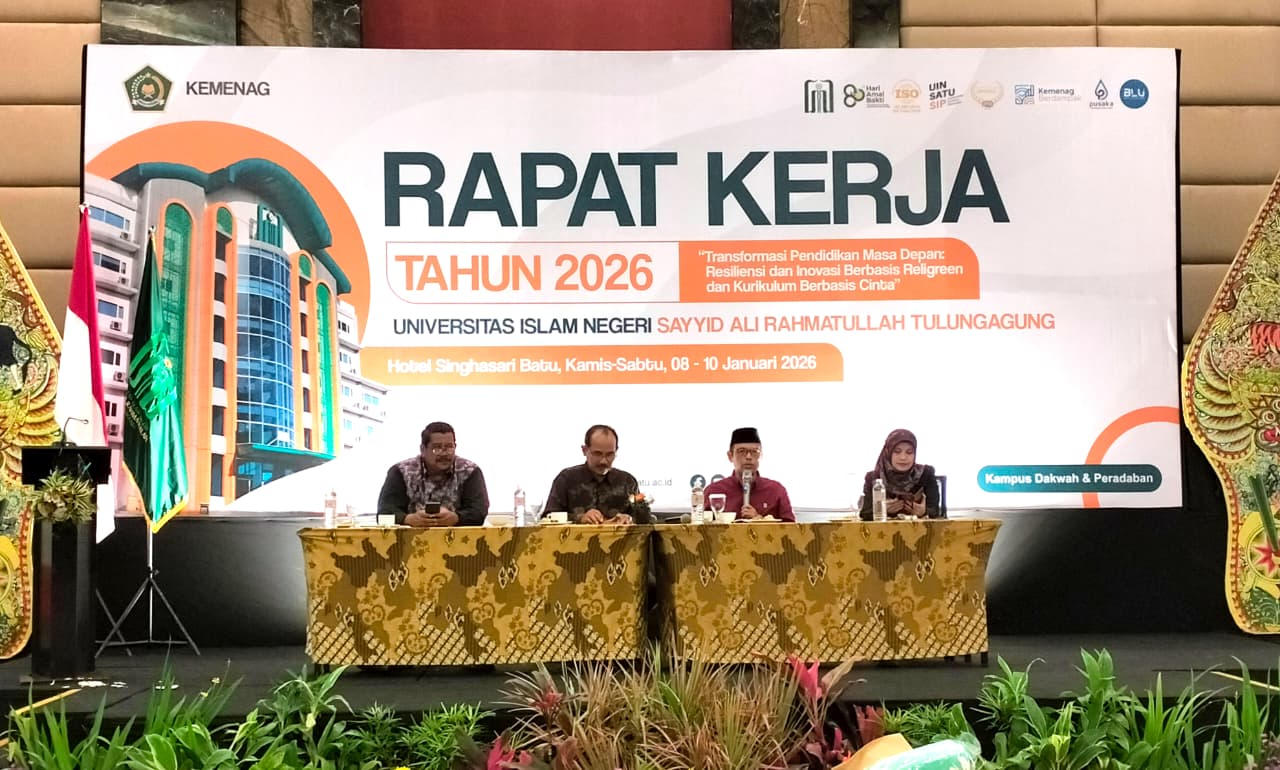
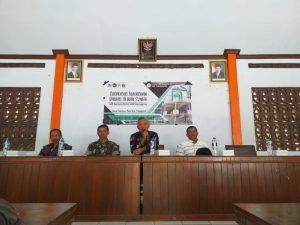
Batu, Malang — Institute for Research and Community Service (LP2M) UIN Sayyid Ali Rahmatullah Tulungagung submitted a report on performance achievements during the year 2025 in the Working Meeting forum (Raker) ONE YEAR UIN 2026 which was held on January 8–10 2026 at Singhasari Resort, Stone City, Malang. The performance presentation was delivered directly by the Chair of LP2M UIN SATU, Prof. Dr. Drink Naim, M.H.I., as a form of accountability as well as strategic reflection for strengthening the program in the future.
In his presentation, Prof. Ngainun Naim emphasized that LP2M is committed to carrying out its role as a driving force for research, dedication to the community, scientific publications, strengthening religious moderation, as well as gender issues, child, and disabled, in line with the spirit of VIGO (Visionary on Go) which was launched in Raker 2026.
"All of these achievements are a collective effort to ensure that UIN SATU's vision does not stop at planning, but truly moving and impactful,” he said.
Five Centers, Five Pillars of Strategic Achievement
The Chairman of LP2M explained that throughout the year 2025, LP2M UIN SATU runs its programs through five centers, each with significant achievements.
First, Research Center, who successfully carried out routine BOPTN research assistance proposal selection activities thoroughly until the final stage. Besides that, The center also hosts a Research Coaching and Publication Series, academic writing training for lecturers and students, as well as developing assisted Madrasah programs and institutional-based research.
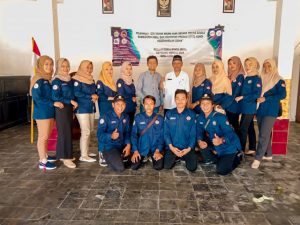
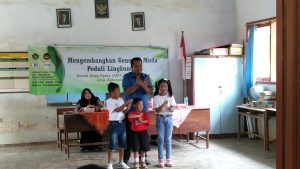
Second, Community Service Center, which focuses on strengthening impact-based service. Throughout 2025, this center implements the Community Service Assistance Program (PKM) BOPTN, strengthening the capacity of lecturers to serve, as well as coordinating Real Work Lectures (KKN) Thematic by theme "Digital Literacy Towards an Environmentally Friendly Village" spread across various regions.
Third, Journal Center, Publication, and Publishing, which plays an important role in increasing UIN SATU's academic visibility. Flagship programs implemented include increasing the capacity of journal managers, serta program Publications of The Week, which routinely displays the scientific work of UIN SATU lecturers which is published in national and international journals every month. Forward, This center will also synchronize SINTA data, GARUDA, and ARJUNA, and encourage all lecturers to immediately use their institutional email as their official academic identity.
Fourth, Center for Gender Studies, Child, and Disabled (PSGAD), which recorded strategic achievements through international collaboration with Universiti Sains Islam Malaysia (SEASON), training of volunteers and volunteers accompanying students with disabilities, as well as outreach to the Task Force for Preventing and Handling Sexual Violence (PPKS Task Force). PSDAD also signed an MoU with the Tulungagung Class IIB Prison and participated in the Annual Meeting of the PSGA PTKI Forum throughout Indonesia which was held at UIN Malang.
Fifth, Center for Religious Moderation, which consistently strengthens moderate Islamic values on campus and in society. The programs that have been implemented include outreach on religious moderation for lecturers, strengthening religious moderation for students in two series, interfaith dialogue with religious leaders in Tulungagung Regency, as well as training for Religious Moderation Drivers and internalization of ecotheology.
Staring 2026: LP2M as a Driver of Institutional Impact
Closing the presentation, The Chairman of LP2M emphasized that all of the year's performance achievements 2025 become an important foundation for strengthening the LP2M program in 2026, especially in supporting the fulfillment of institutional performance evidence, THE Impact Rankings, as well as strengthening UIN SATU's positioning as a moderate Islamic campus that is superior and globally competitive.
“LP2M is ready to ensure that research, devotion, and religious moderation does have a real impact on society and the reputation of institutions,” he concluded.

 By
By