1
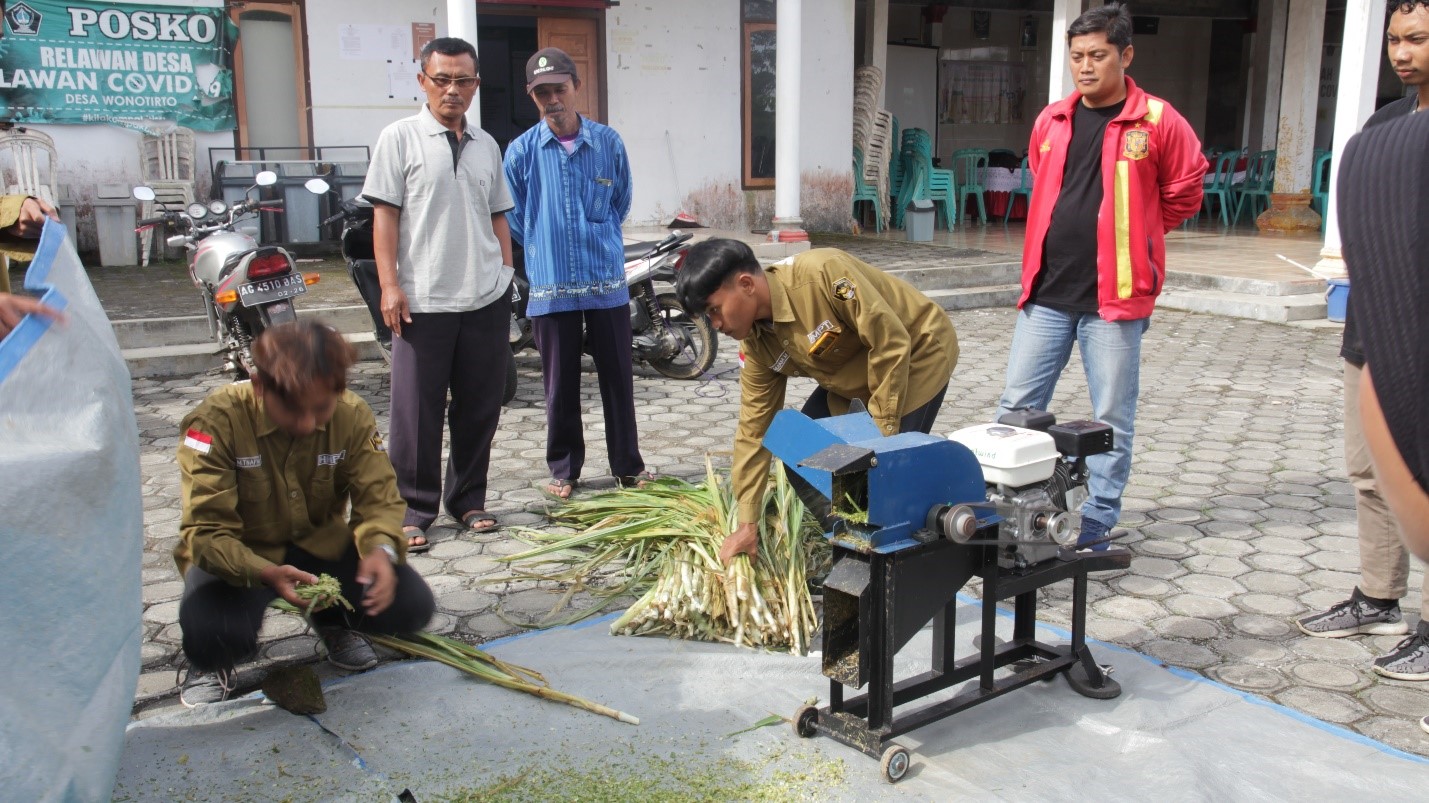
WONOTIRTO, BLITAR – 14 February 2023 Multisectoral KKN students from Wonotirto Village, Blitar Regency, carried out the final work program to empower village communities, namely making animal feed silage. This was carried out to follow up on problems that the group encountered when implementing anjangsana in the community.
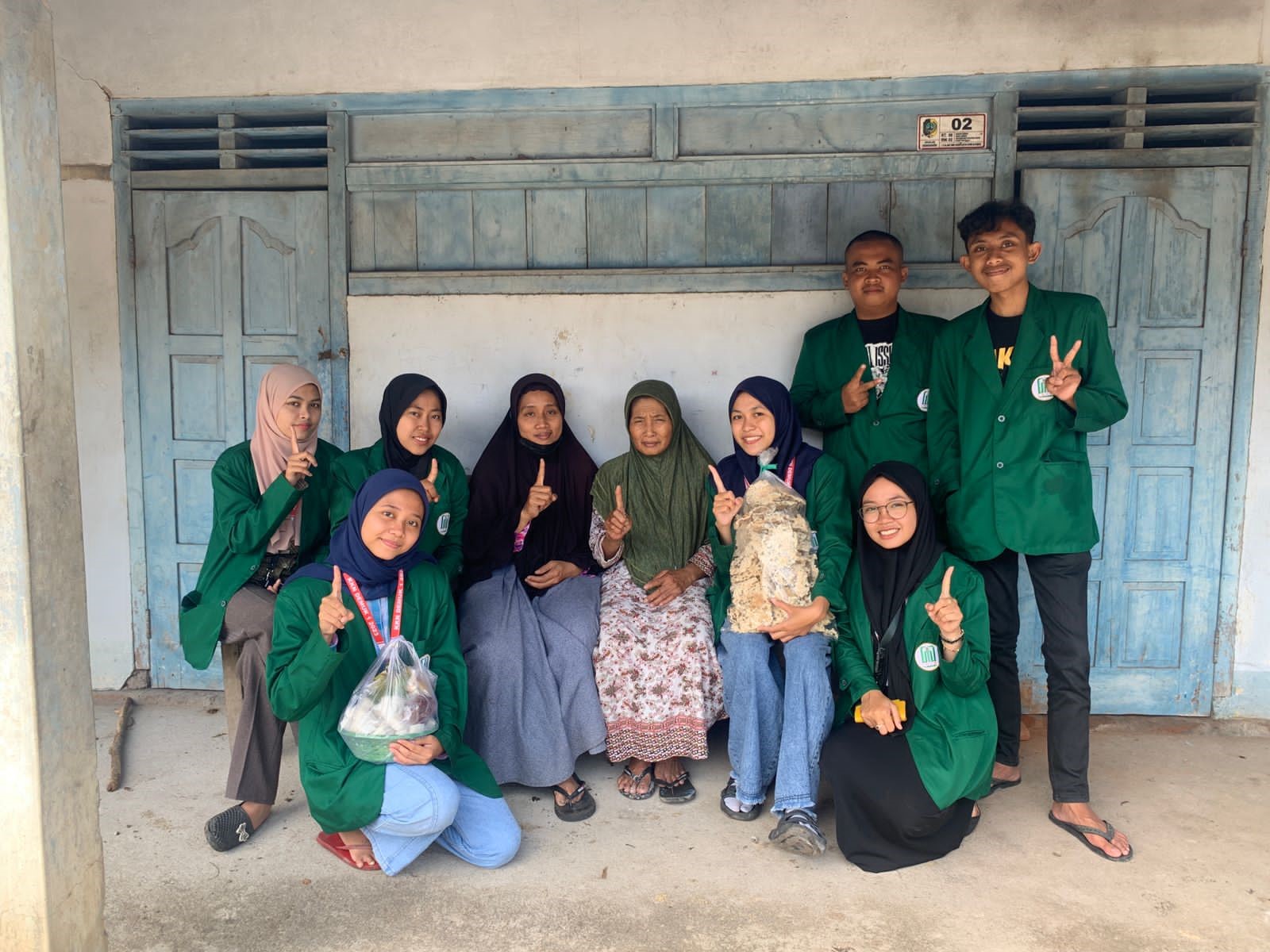
When the KKN team carried out anjangsana at the homes of several hamlet heads, they thought that in several hamlets in Wonotirto, people worked as farmers., and his side job is raising cattle. So not a few people have beef cattle in this village. Wonotirto Village in January-February has quite high rainfall, which makes the plants in this village fresh and spring.
However, during the dry season, this village really lacks water to meet daily needs, and also has an impact on natural plant products for animal feed. Therefore, the KKN UIN Sayyid Ali Rahmatullah Tulungagung in Wonotirto Village has the view of making alternative feed that can be used in any condition.. With several considerations in mind, we asked the presenters from Nahdlatul Ulama' Blitar University, Animal Husbandry Study Program, to fill in the instructions and practice of making silage..
The concept of the group is not only carrying out directions, but we also continue to practice step by step Which The goal is so that people can properly understand how silage is done. In fact, silage is a process of preserving animal feed as a long-term alternative when farmers find it difficult to find feed ingredients.
The concept of silage is almost the same as the process of making tape food, which uses the fermentation method to preserve food ingredients. The material needed for this process is AM4, molasses, and polar. The first step in making it is to chop elephant grass or animal feed approximately 5m long and describe it. Next, mix the AM4 medicine and sugar cane molasses, then pour it onto the chopped feed.
The next step is to sow pold onto the feed and continue to add it to the fermentation medium. There are several types of media that can be used in making silage. Manufacturers can use drums, plastic, or other containers that can lock so that air does not enter the silage material. However, on this occasion the team used plastic media to make it easier to practice in the field.
The team used size 50 plastic fish×100. The feed must be compacted and closed tightly to remove the air in the plastic. This is to get maximum results from making this silage which can be opened more or less 2 Sunday, after that it can be given to livestock. This silage can last one to eight months of use by paying attention to the water content and softness of the material.
This training was attended by Wonotirto village residents to provide education on how to handle the food crisis during the dry season. This can also be a source of income for the local community where this silage can be sold to cattle breeders to meet the nutritional needs of cattle. Silage also has complex ingredients to fulfill cow's nutrition when compared to directly giving grass feed raw. [Wonotirto/WFF KKN]

 By
By